Protect your intangible assets

By Robert Rundberget
Author
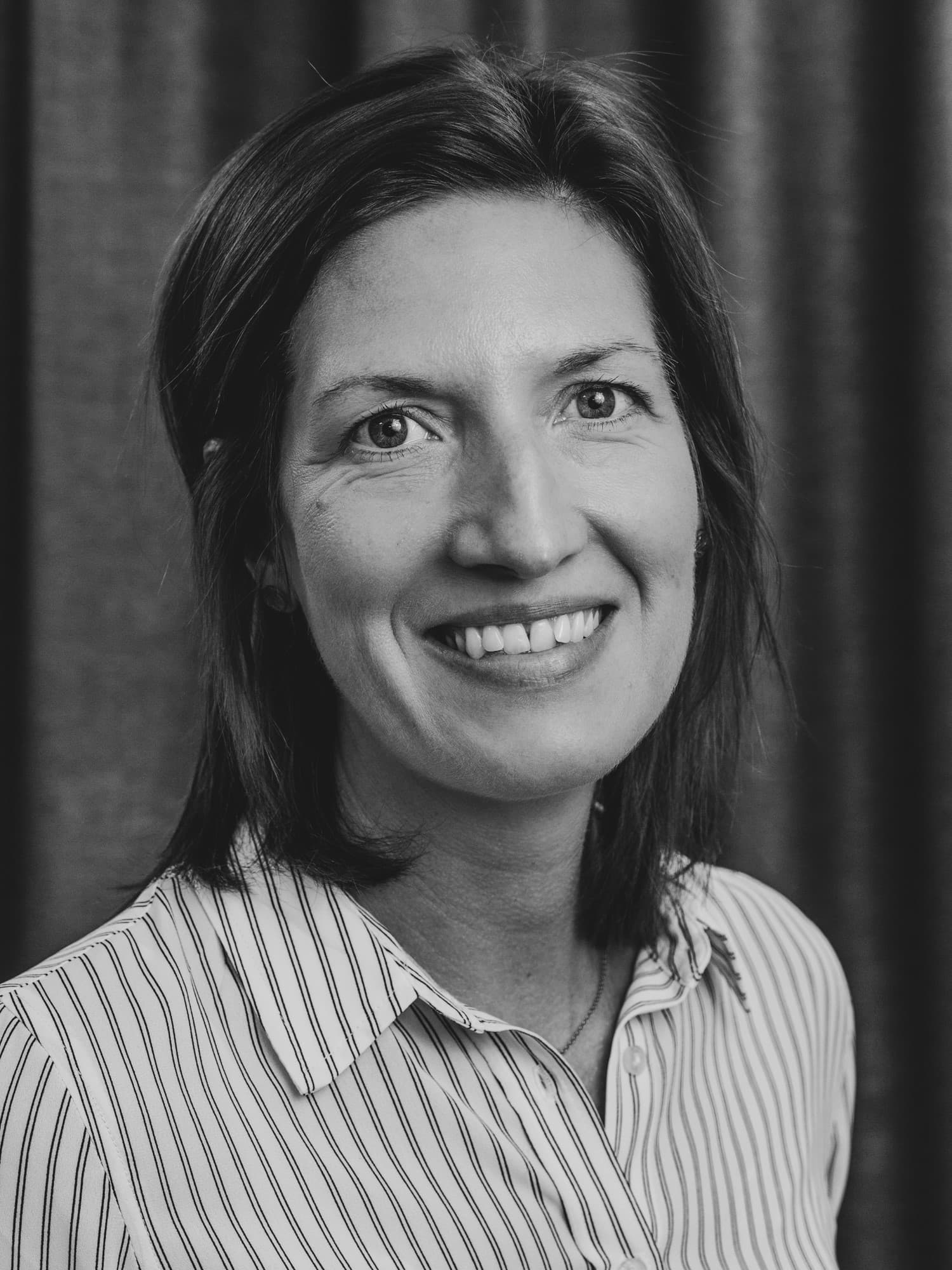
IP lawyer Knut Jenssen explains why small businesses should register their trademarks early, before someone else does.
Take the telecoms giant Ericsson, which during a period in the 2000s sold and licensed out patents and other intangible assets for roughly 1 billion kronor annually. The revenues were put into product development, which means Ericsson's development work was to a large extent financed by their competitors.
"And the fast-food chain McDonald Corp doesn't sell a single hamburger anywhere in the whole world. Their business idea is instead to rent out, among other things, intellectual property rights, i.e. the right to use a trademark portfolio. The hamburgers are sold by the company that has rented these rights. That seems to be quite a good deal too," smiles Knut.
"The biggest problem with intangible assets is that they are NOT used to generate revenues," says Knut, with his Norwegian accent.
Wanted to be a police officer
He grew up in Steinkjer, north of Trondheim and studied law at Oslo University to become a police officer. But during his law studies the police profession became increasingly vague.
"What fascinated me instead was the law of rights linked to intangible assets. After graduating I took a job at the Norwegian Patent Office, which is the Norwegian equivalent of the Patent and Registration Office, or PRV."
What are intangible assets?
Intangible assets are things that cannot be touched, such as logotypes, patents, product names and copyrights.
Most companies have not registered their trademark
According to PRV as much as 80% of a company's value often lies in intangible assets. But Knut explains that 90% of all small and medium-sized enterprises in the EU have not even registered their trademark. A wild guess is that you who are reading this are one of them.
Managed Stora Enso's trademark registrations
Knut met a Swedish woman and had two children, and in 2003 the family moved to Skåre. After a few years of weekly commuting Knut got a job at Stora Enso, where he was responsible for the group's trademark registrations around the world. A job that largely involved protecting, monitoring and defending Stora Enso's trademarks, domain names, copyrights etc. all over the world.
"A large part of the work involved checking what was happening in the market and writing warning letters when we discovered infringement of the company's intellectual property."
Avoids clashes with existing trademarks
In 2018 Knut started his own company Marelin Intellectual Property, which helps small and medium-sized enterprises to protect their intangible assets. With his experience from the Norwegian Patent Office and Stora Enso he knows how a trademark application should be written to increase the probability of getting approval, and as far as possible avoid clashing with existing trademarks. He also helps write agreements for collaborations, confidentiality and licences.
Knut is content to operate in Värmland. After the pandemic it works well to have customer relationships via video link. That's why it works fine to also work with companies in Finland, Norway and other parts of Sweden.
"Some customers have expressly said that they don't want to work with the large law firms in Stockholm because they feel too small and unimportant as customers," says Knut.
Best tip for small business owners
His best tip for small businesses is to secure their rights to names and trademarks before they become too large.
"Most infringements start small and completely without you noticing. Imagine two companies starting in different parts of Sweden or the EU – both with the same or similar trademarks. After a few years both have grown so much that the product portfolio or geographic reach overlaps. Both are then keen to keep their own marks and no one wants to give up their brand. In that situation it is often a trademark registration that decides who gets to keep the trademark. The one who has to change often cannot even mention what the old name was, which in practice means you have to restart your marketing completely from scratch. That costs, both in terms of expenditure and lost income," Knut concludes.
Get in touch
At POJI, you'll meet engineers who understand both technology and communication. Whether you have a concrete inquiry, a loose idea, or a complex problem, you are welcome to get in touch.